Diamond Jewelry vs. Moissanite: Understanding the Key Differences
Jun 14,2024
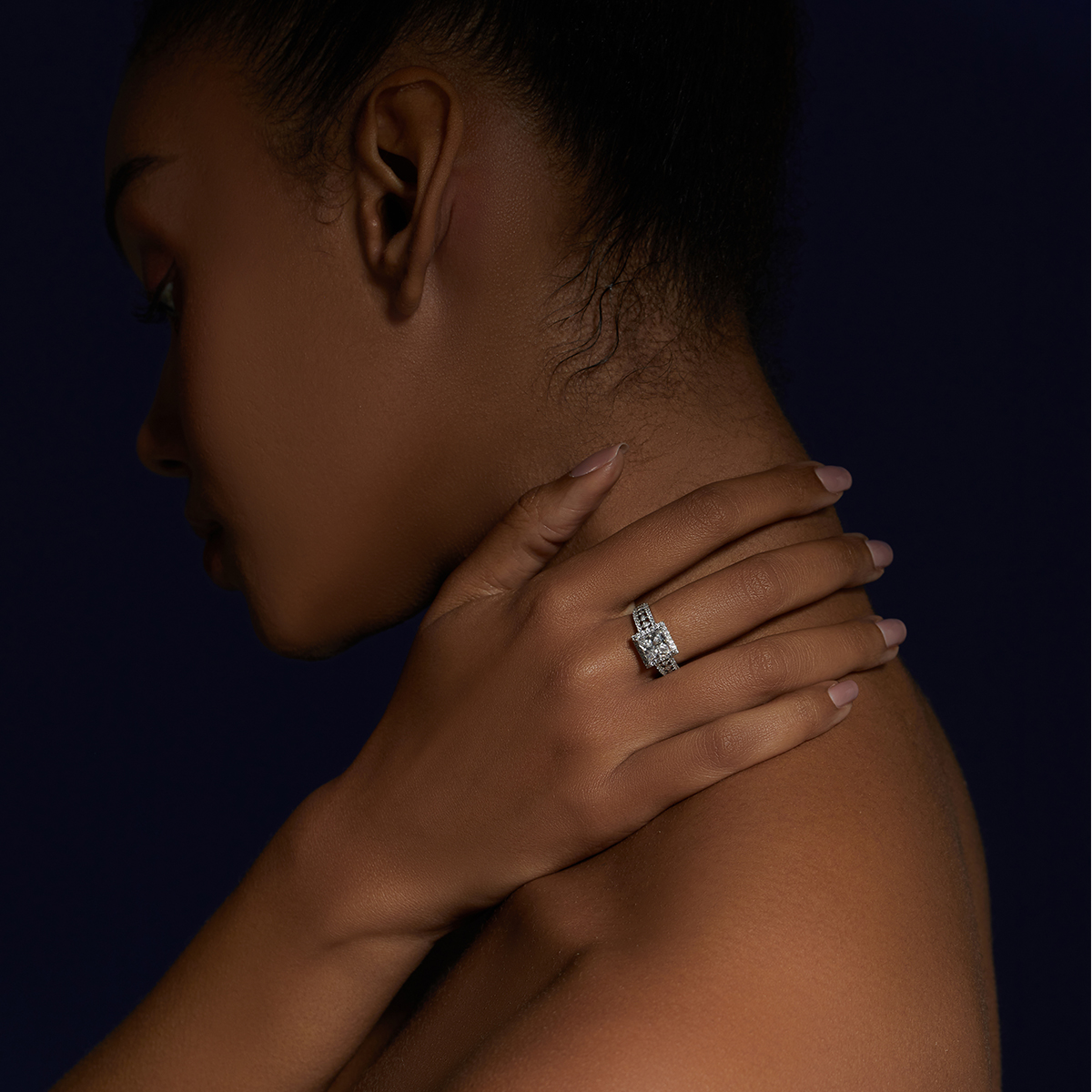
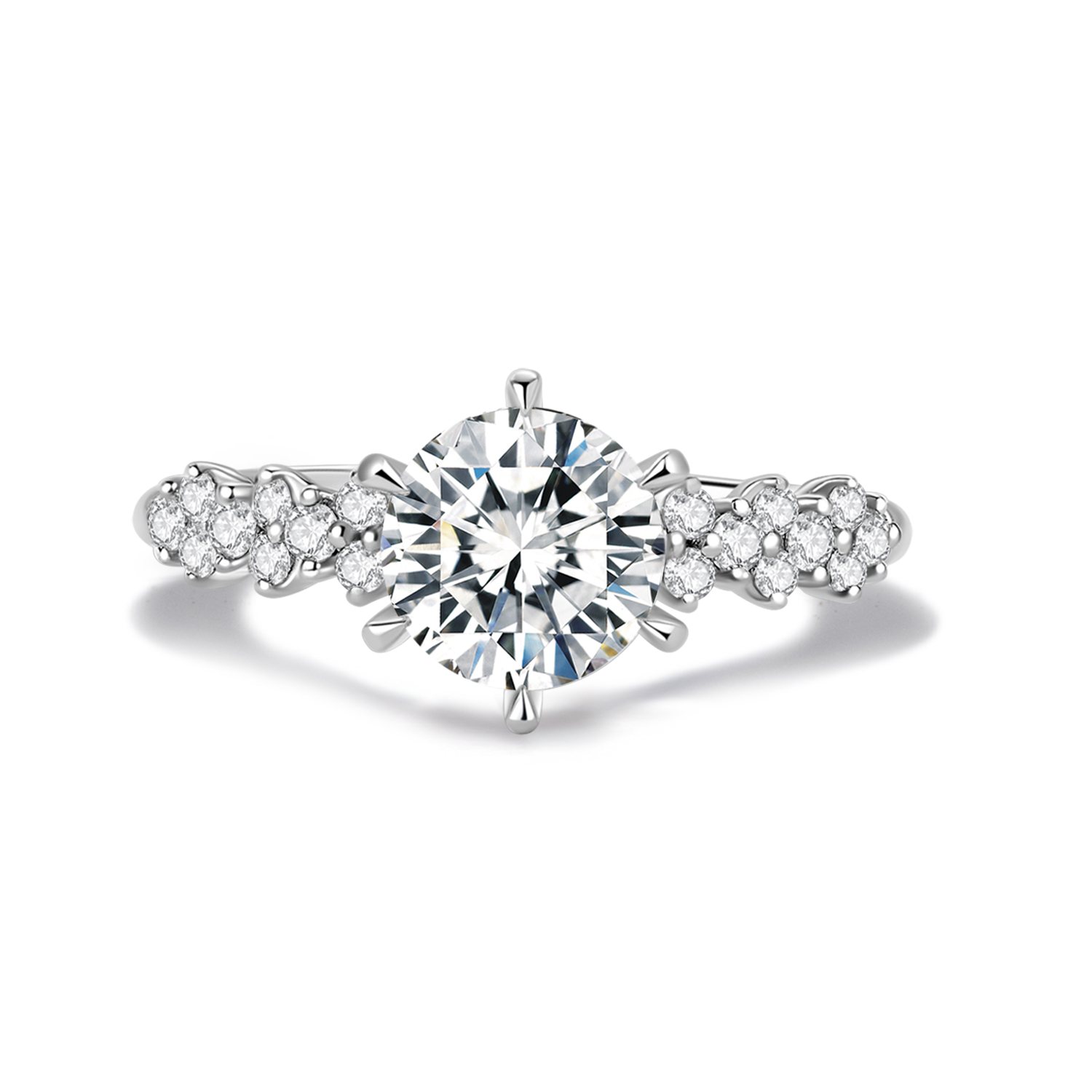
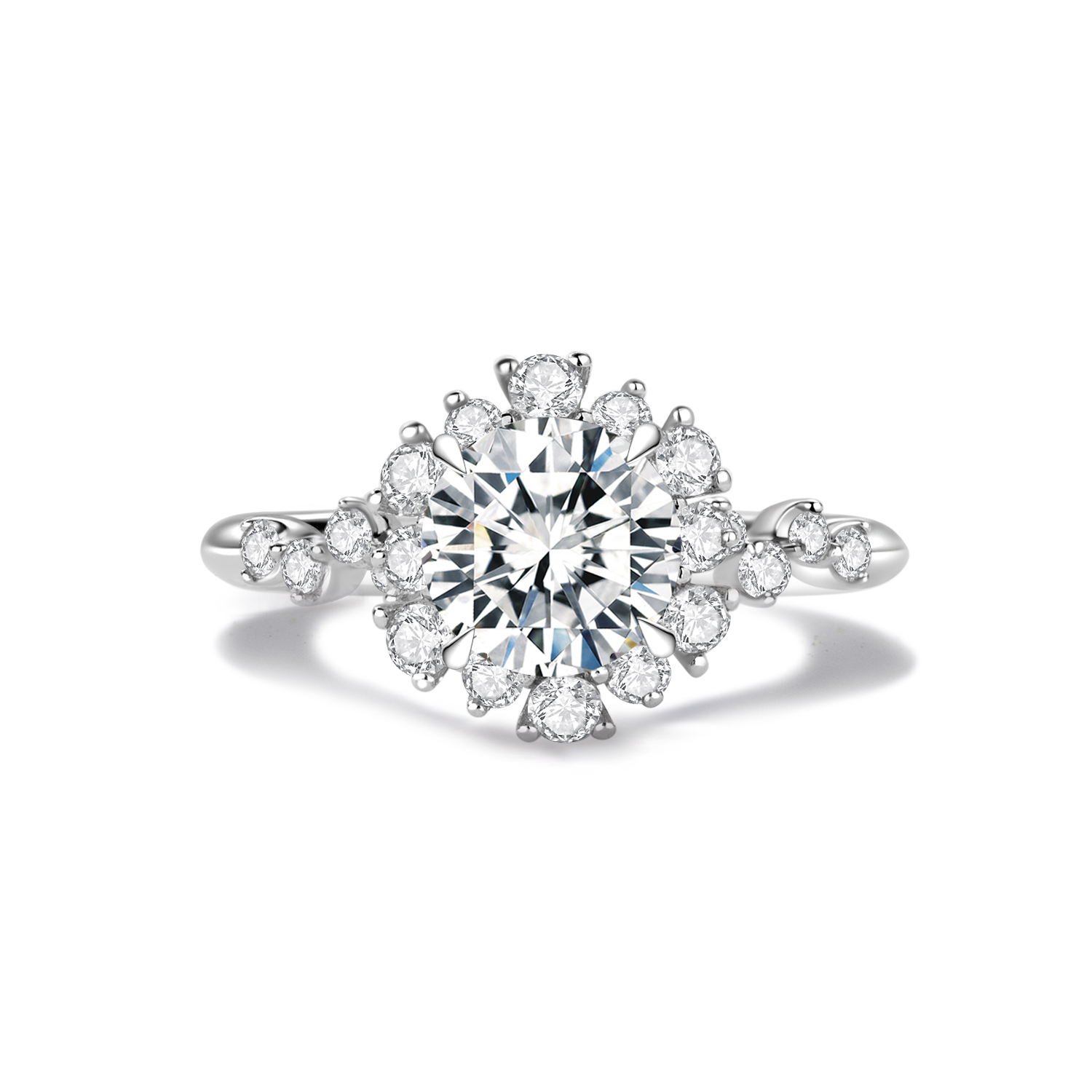
Diamond Jewelry and Moissanite are two captivating gemstones that often spark a debate among jewelry enthusiasts. Understanding the nuances between these shimmering stones is crucial for making an informed choice. This blog will delve into the key disparities between Diamond Jewelry and Moissanite, shedding light on their composition, appearance, cost, and overall value proposition.
Composition and Origin
Diamond Jewelry
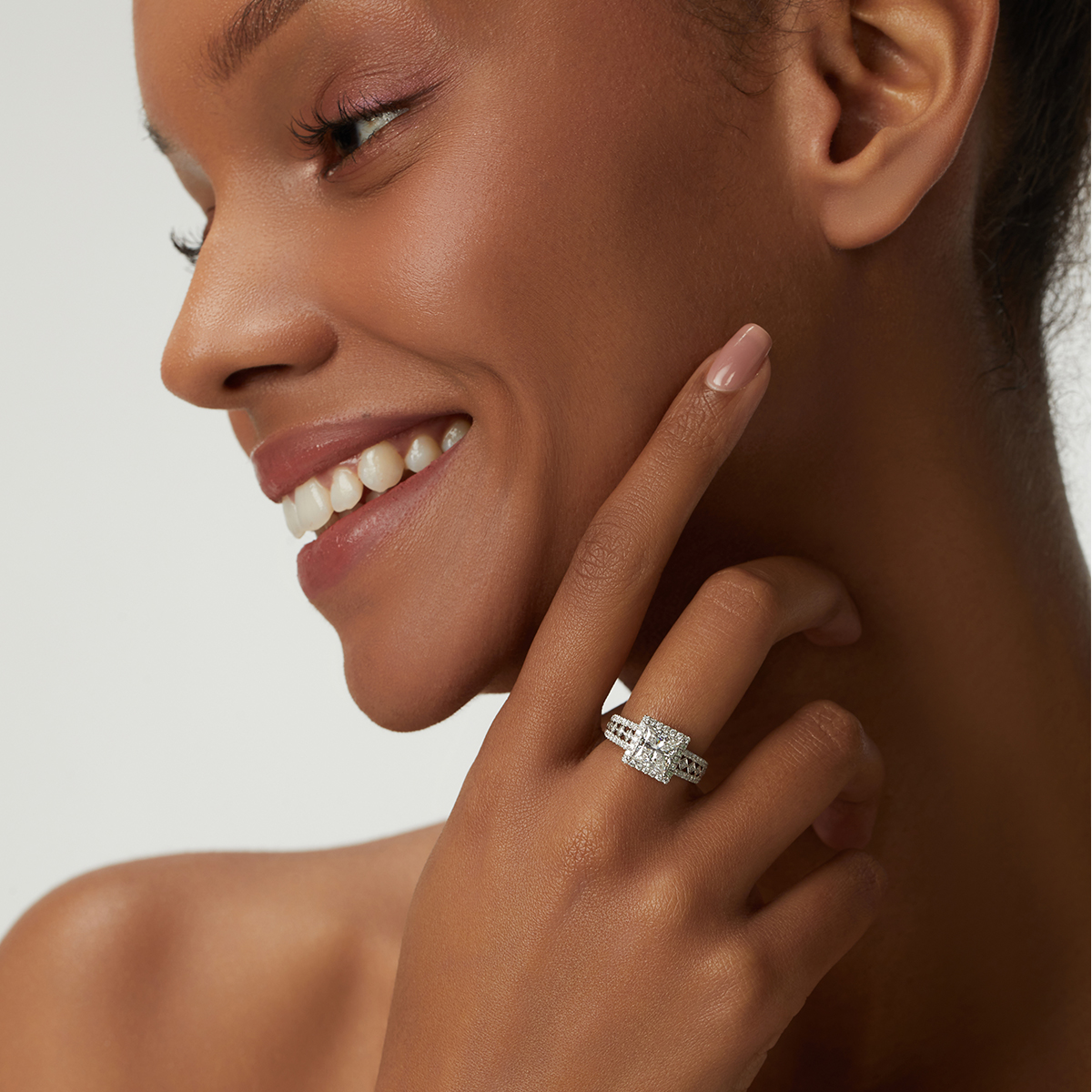
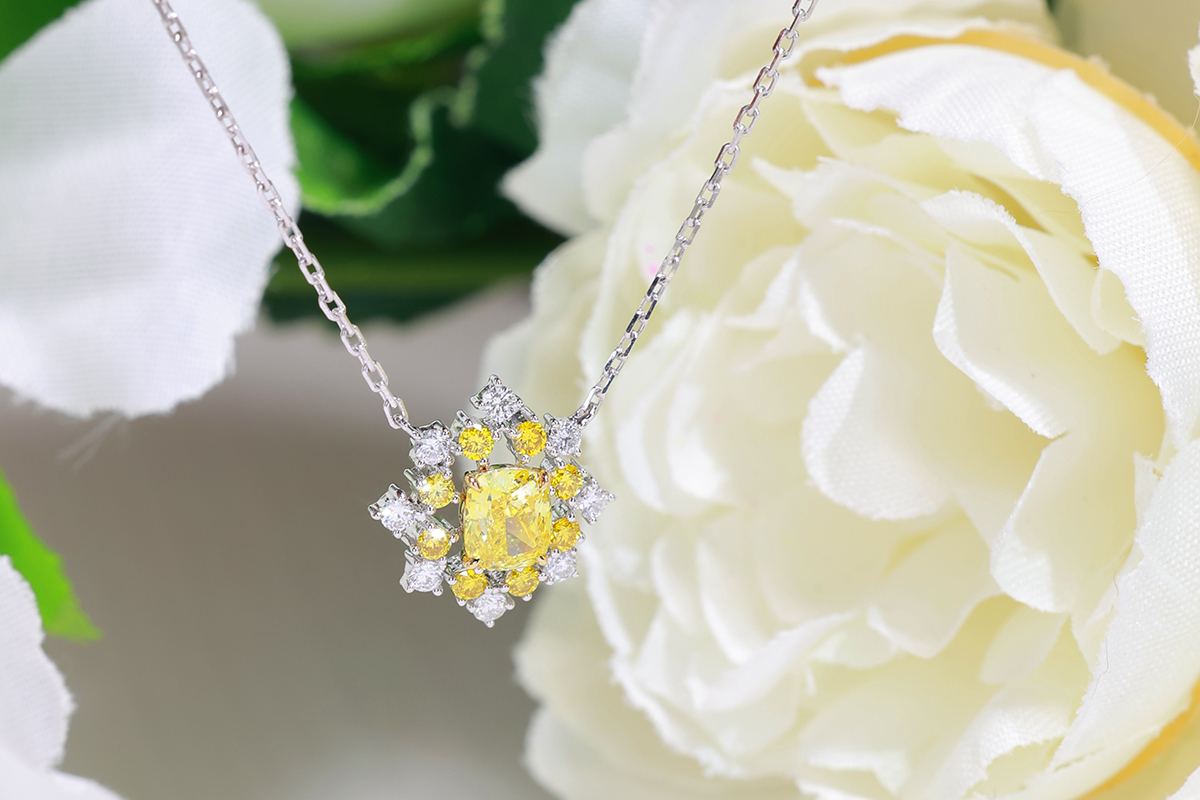
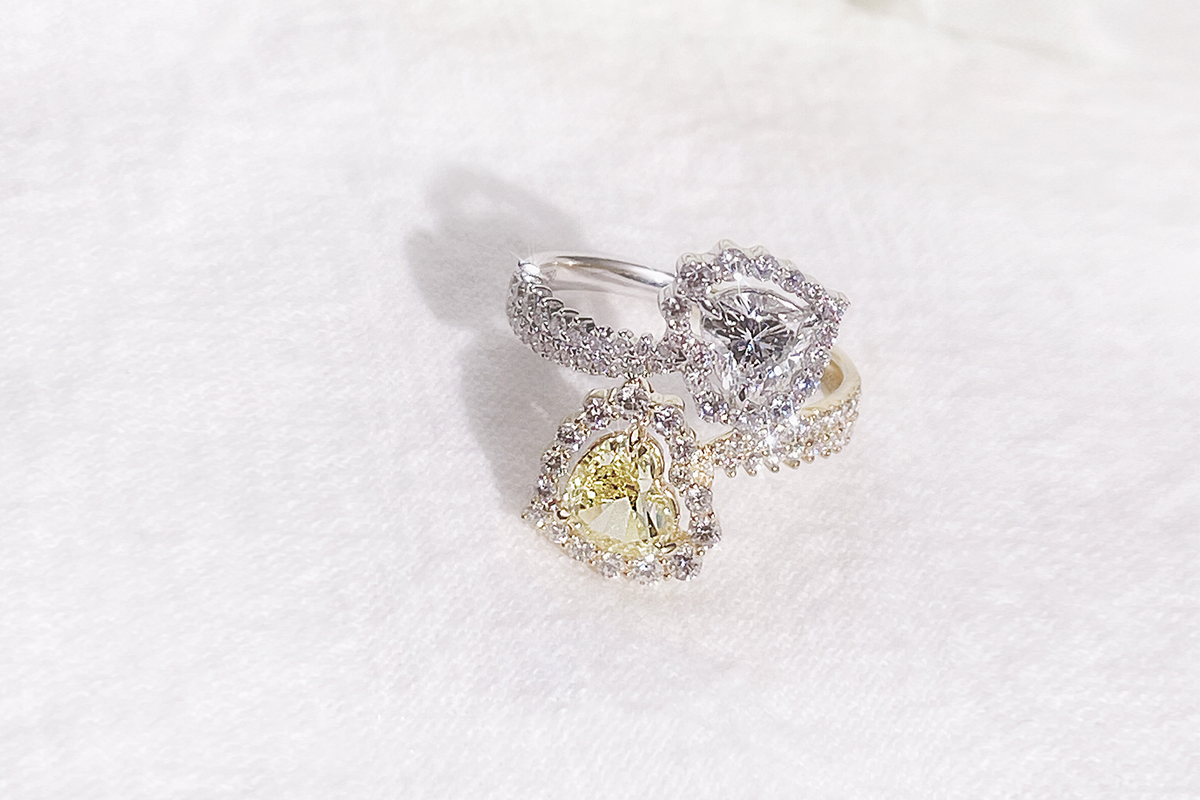
Diamonds, formed deep within the Earth, are composed of pure carbon. This natural process takes millions of years under extreme pressure and heat to create these exquisite gemstones.
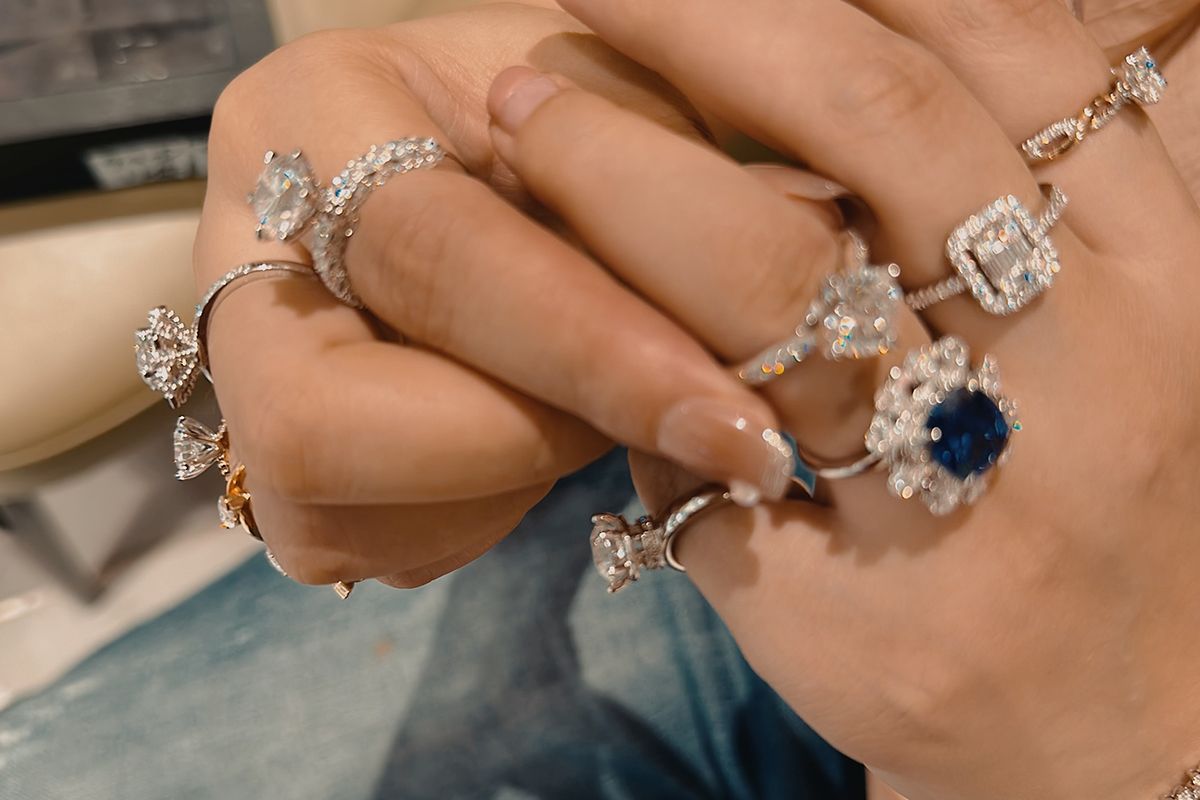
In contrast, lab-grown diamonds are produced in controlled environments that replicate the natural diamond-growing process. These diamonds exhibit the same physical, chemical, and optical properties as mined diamonds.
Moissanite
Natural Moissanite
Moissanite, a gemstone born from the stars, originates from meteorites containing silicon carbide. Discovered by Henri Moissan in 1893, these rare crystals were mistaken for diamonds due to their brilliance and durability.
Lab-Grown Moissanite
Synthetic moissanite is widely used as a diamond simulant in jewelry. Created in laboratories, this crystalline silicon carbide closely resembles natural moissanite in appearance and properties.
Appearance and Brilliance
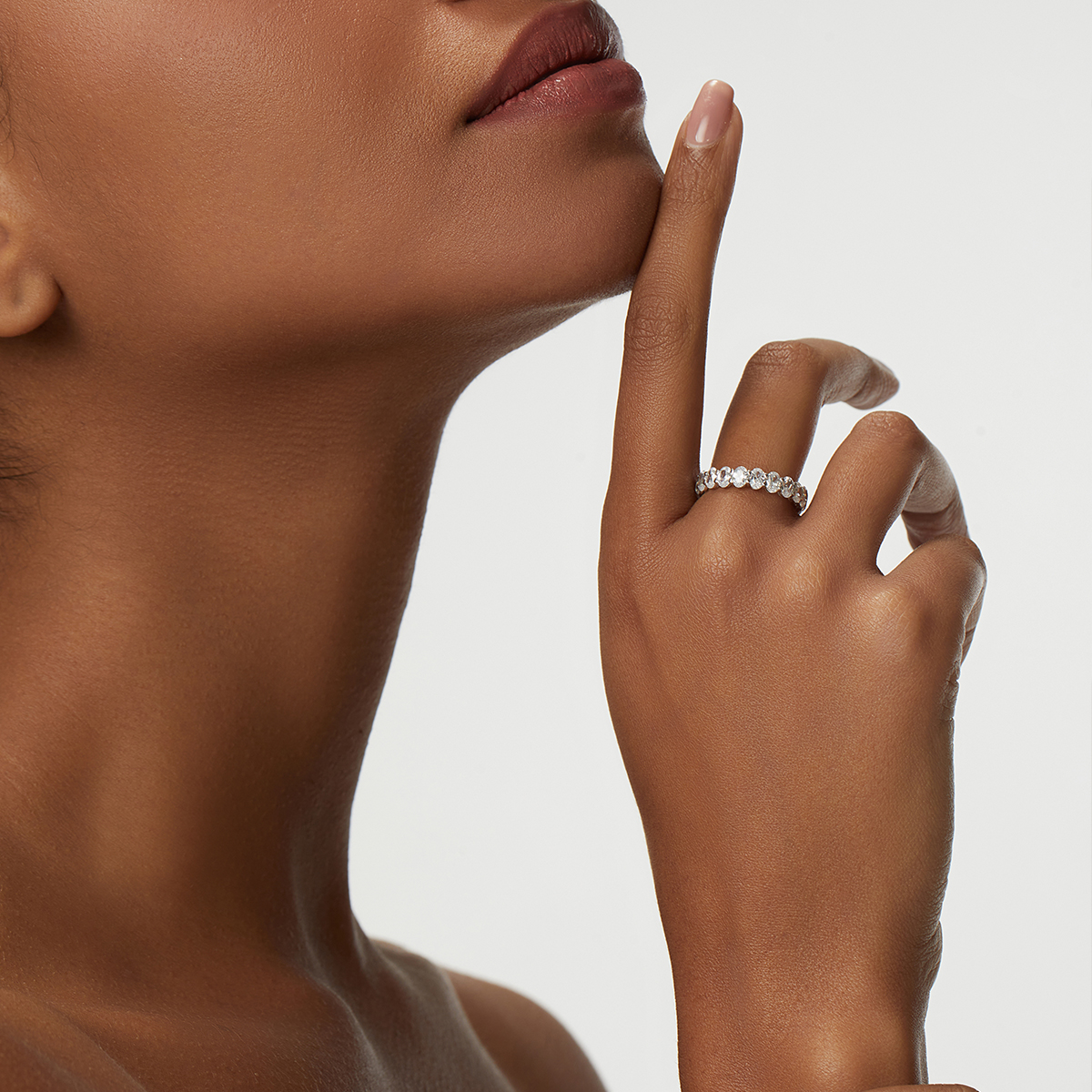
Diamond Jewelry
Brilliance and Fire
When it comes to Diamond Jewelry, its brilliance and fire are renowned in the world of gemstones. The way light interacts with a diamond's facets creates a mesmerizing sparkle that captures attention effortlessly. The brilliance of a diamond, characterized by its ability to reflect white light, is truly captivating. This quality gives diamonds their iconic shimmer, making them stand out in any setting. Additionally, diamonds exhibit exceptional fire, which refers to the colorful flashes of light they emit when exposed to sunlight or artificial lighting.
Refractive Index
The refractive index of Diamond Jewelry plays a significant role in its overall appearance. With a refractive index of 2.42, diamonds have a remarkable ability to bend light and create stunning optical effects. This property contributes to the diamond's brilliance and fire, enhancing its visual appeal. The higher the refractive index, the more light is bent within the diamond, resulting in a dazzling display of colors and sparkle that captivates onlookers.
Moissanite
Brilliance and Fire
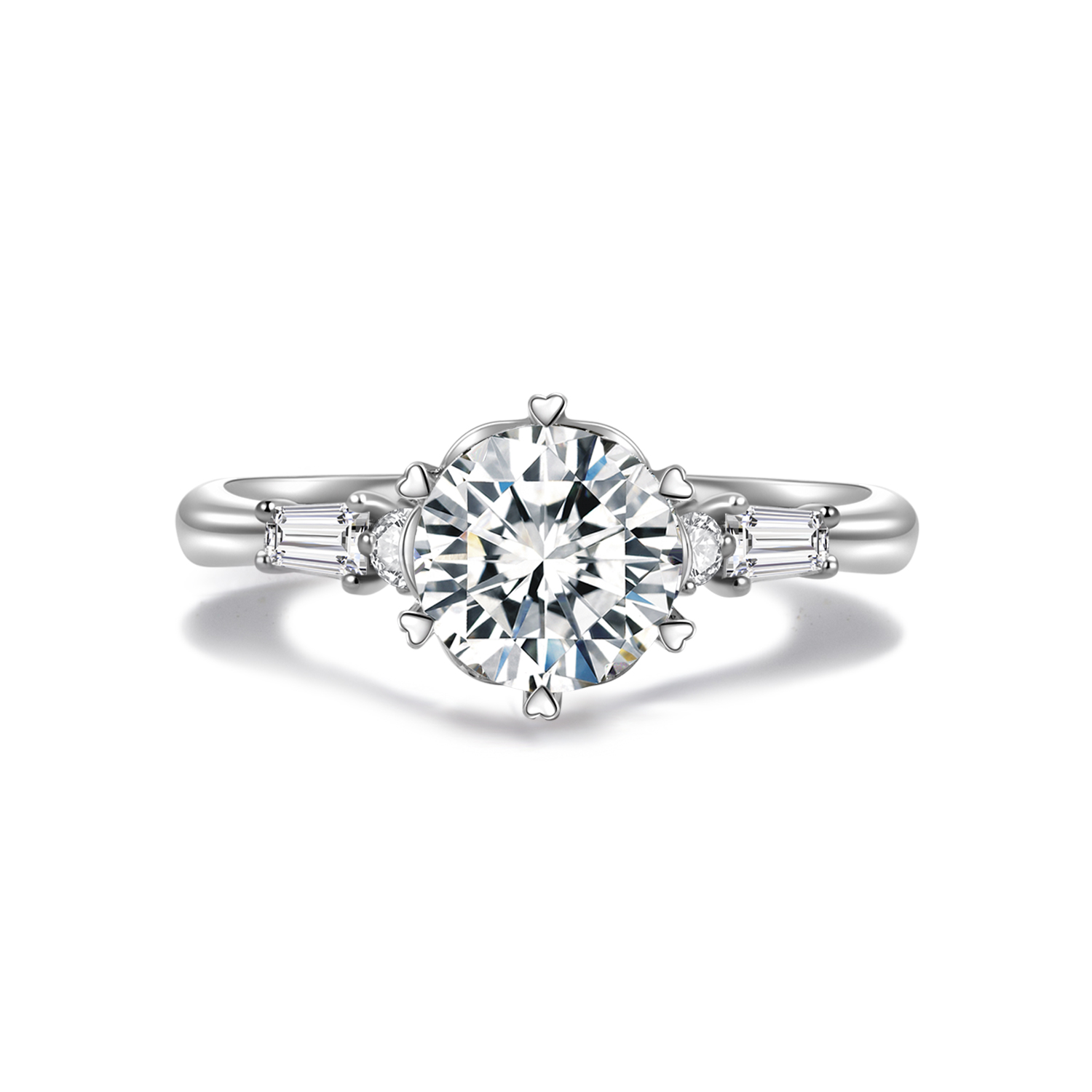
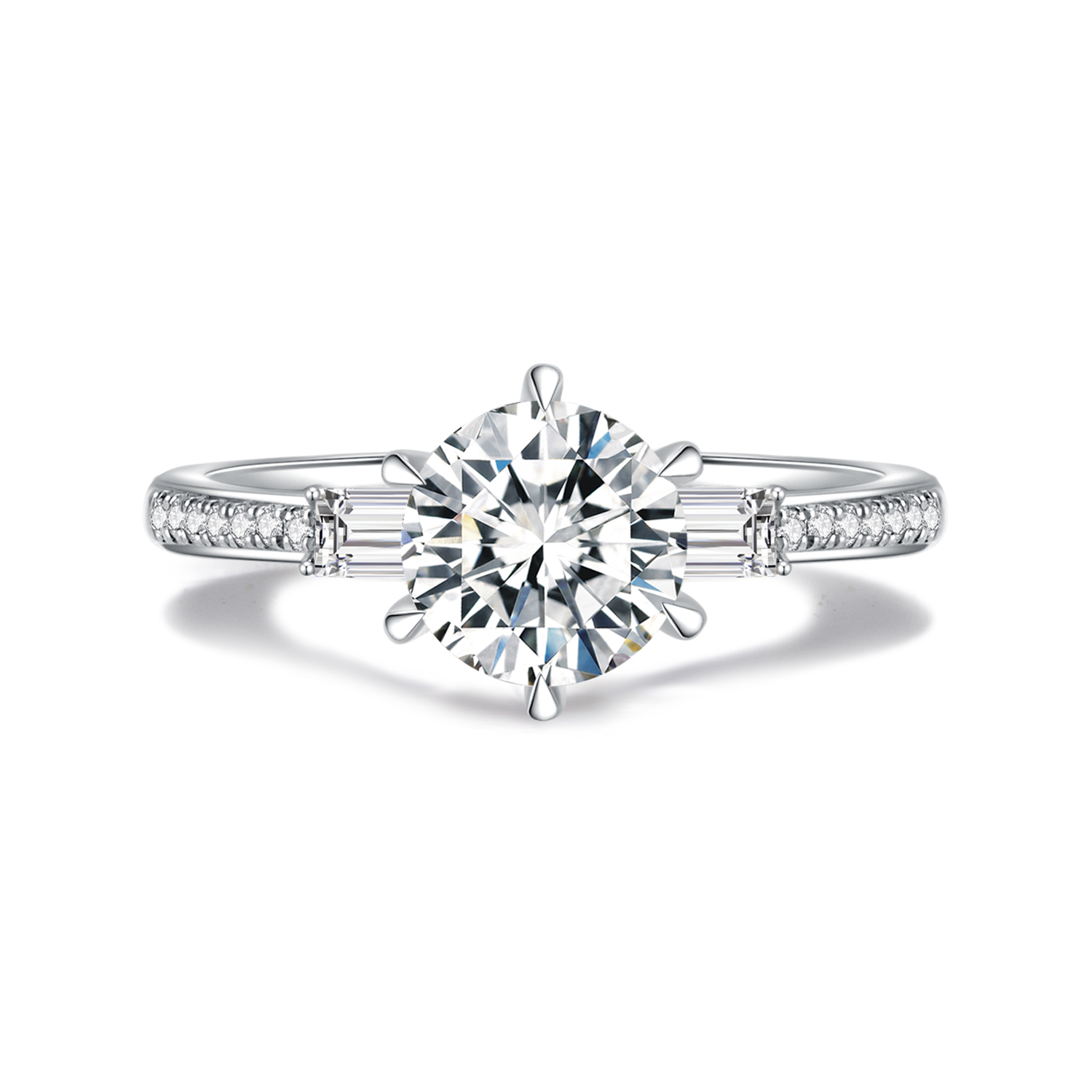
Moissanite shines brightly in the realm of gemstones with its exceptional brilliance and fire. Surpassing diamonds in terms of sparkle, moissanite's higher refractive index of 2.65 sets it apart as a radiant choice for jewelry enthusiasts. The way moissanite bends light intensifies its brilliance, creating a stunning play of colors that dazzles admirers.
Refractive Index
In the world of gemstones, Moissanite boasts an impressive refractive index that enhances its visual allure. With a higher refractive index than diamonds, moissanite exhibits extraordinary sparkle and fire that make it a sought-after alternative for those looking for maximum shine. The unique optical properties of moissanite contribute to its vibrant appearance, making it an exquisite choice for those who appreciate brilliance in their jewelry pieces.
Cost and Value
Diamond Jewelry
Pricing Factors
When considering Diamond Jewelry, various factors influence its pricing. The rarity of diamonds, coupled with the intricate mining process, contributes to their high cost. Additionally, the carat weight, cut quality, color grade, and clarity grade play pivotal roles in determining the final price of a diamond. Each of these factors interacts to create a unique pricing structure for diamonds.
Long-Term Value
Investing in Diamond Jewelry offers more than just aesthetic appeal; it provides long-term value. Diamonds have stood the test of time as symbols of love and commitment. Their durability ensures that they can be passed down through generations, retaining both sentimental and monetary value over the years.
Moissanite
Affordability
One of the standout features of Moissanite is its affordability compared to diamonds. This stunning gemstone offers a budget-friendly alternative without compromising on beauty or brilliance. For those seeking an eye-catching piece of jewelry without breaking the bank, moissanite presents an attractive option.
Value Proposition
The value proposition of Moissanite lies in its ability to offer exceptional brilliance and durability at a fraction of the cost of traditional diamonds. Customers can enjoy all the sparkle and fire typically associated with diamonds while having the flexibility to choose their desired size, cut, and carat without facing exorbitant prices.
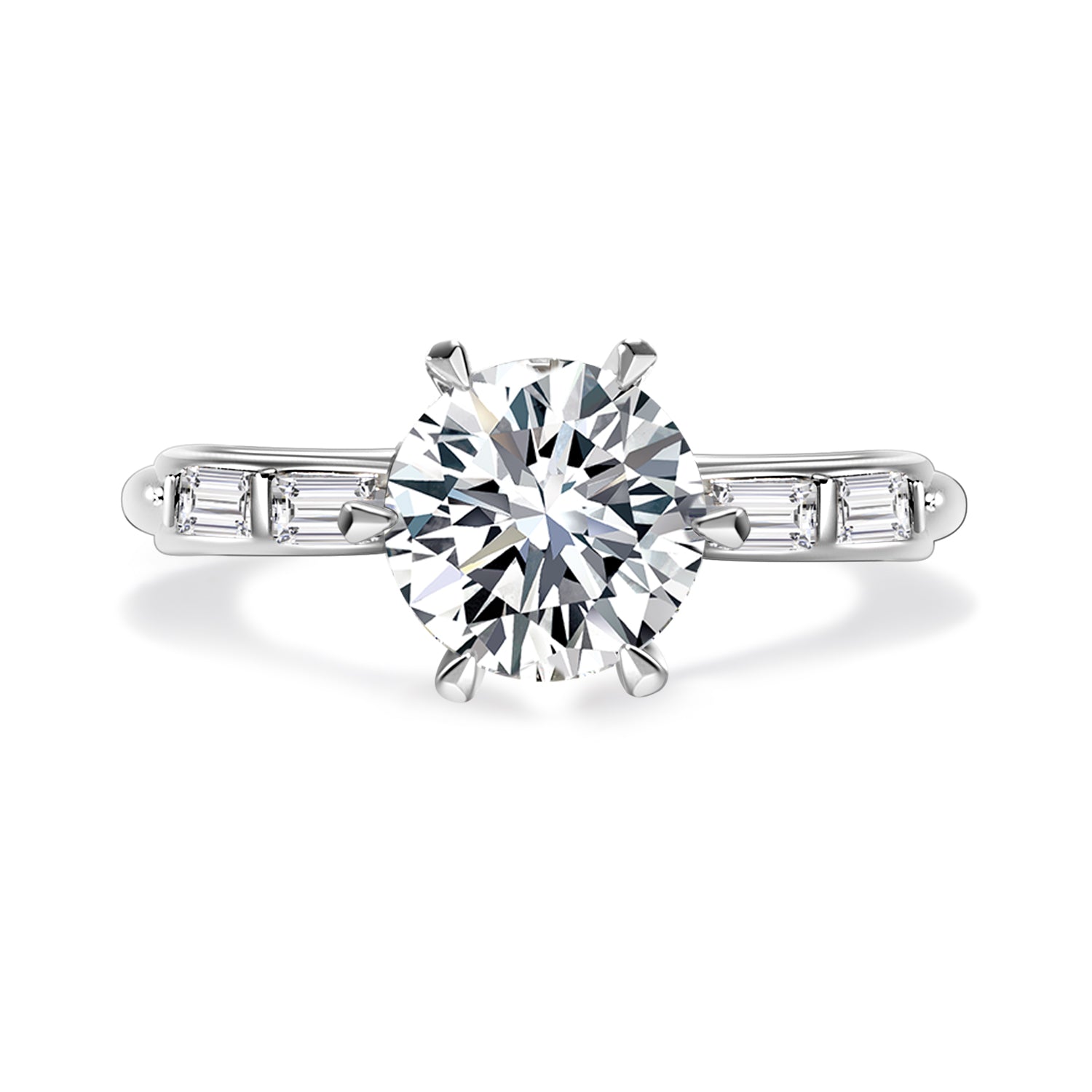
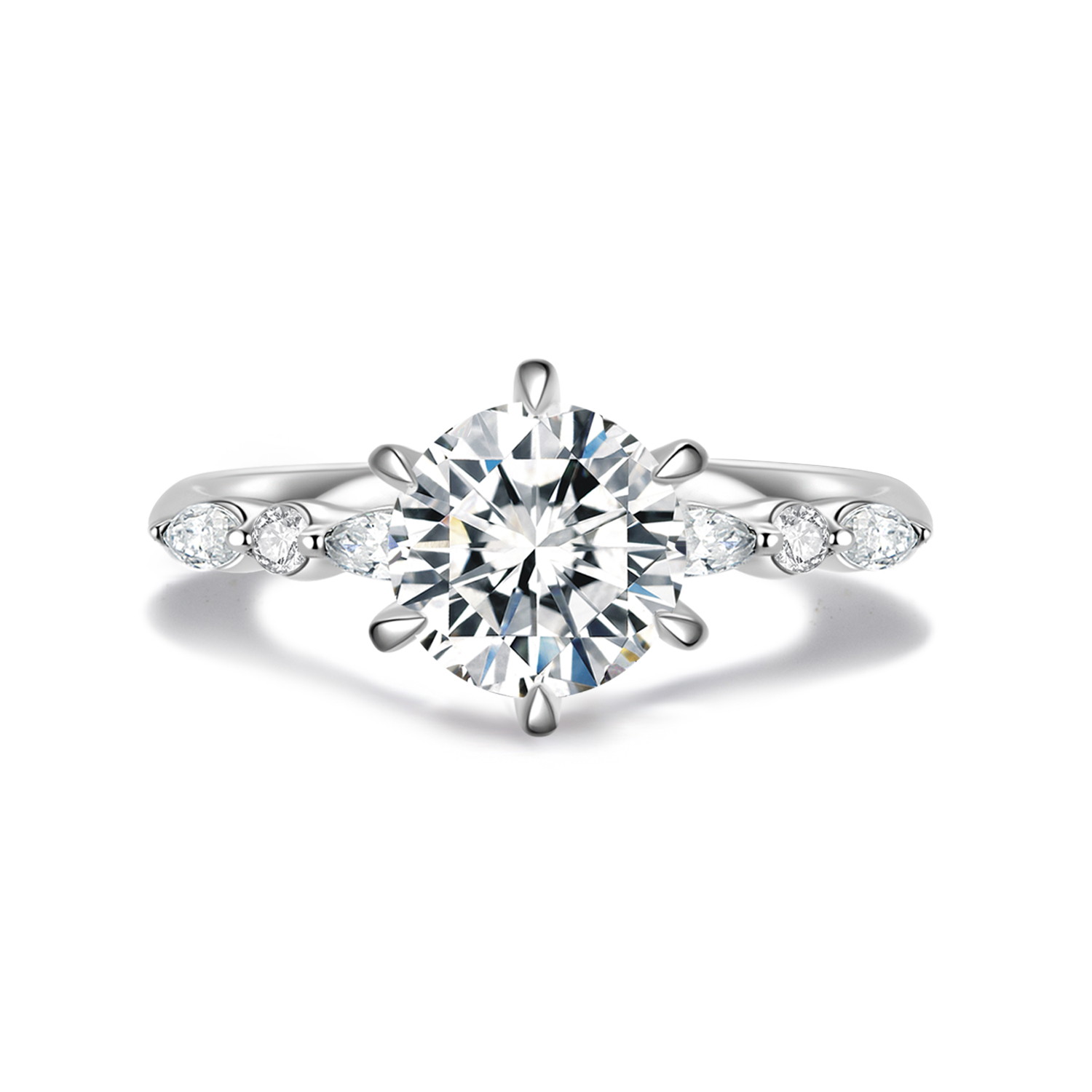
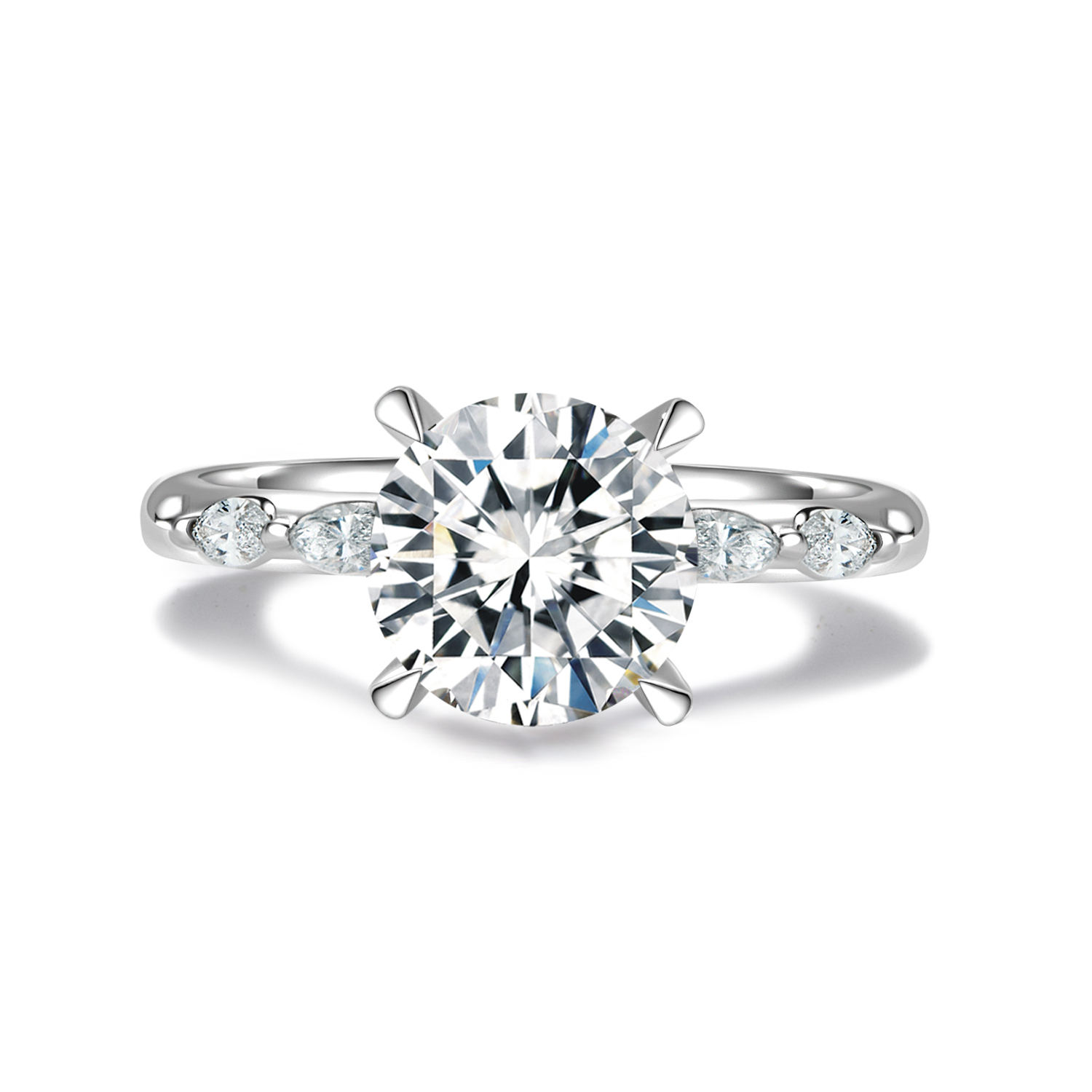
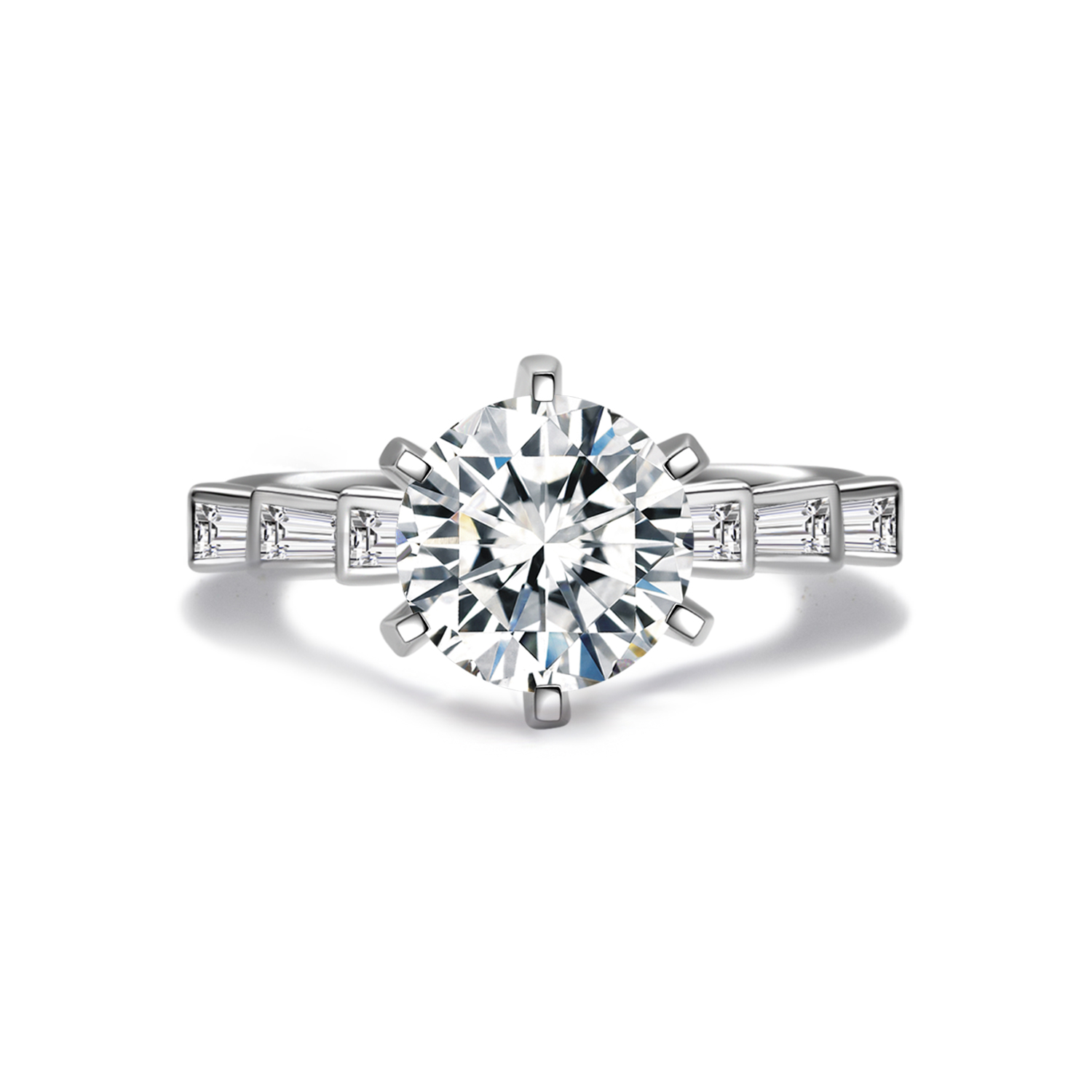
When comparing Diamond Jewelry and Moissanite, it's evident that each gemstone possesses unique characteristics that cater to different preferences.
Choosing between them boils down to personal taste and budget, with diamonds symbolizing tradition and luxury, while moissanite offers affordability without compromising on brilliance.
The testimonials from satisfied customers highlight the growing popularity of moissanite for its stunning appearance and exceptional value.
Ultimately, whether you opt for the timeless elegance of diamonds or the radiant allure of moissanite, both gemstones have their own charm that captivates hearts and sparkles with beauty.
Comment

-6.jpeg?w=1500&h=1500)
-14.jpeg?w=1500&h=1500)
-16.jpeg?w=1500&h=1500)
-1.jpeg?w=1500&h=1500)